
Total
398400 CVE
| CVE | Vendors | Products | Updated | CVSS v2 | CVSS v3 |
|---|---|---|---|---|---|
| CVE-2024-26167 | 1 Microsoft | 1 Edge | 2026-06-17 | N/A | 4.3 MEDIUM |
| Microsoft Edge for Android Spoofing Vulnerability | |||||
| CVE-2024-26166 | 1 Microsoft | 14 Windows 10 1507, Windows 10 1607, Windows 10 1809 and 11 more | 2026-06-17 | N/A | 8.8 HIGH |
| Microsoft WDAC OLE DB provider for SQL Server Remote Code Execution Vulnerability | |||||
| CVE-2024-26165 | 1 Microsoft | 1 Visual Studio Code | 2026-06-17 | N/A | 8.8 HIGH |
| Visual Studio Code Elevation of Privilege Vulnerability | |||||
| CVE-2024-26164 | 1 Microsoft | 1 Django Backend | 2026-06-17 | N/A | 8.8 HIGH |
| Microsoft Django Backend for SQL Server Remote Code Execution Vulnerability | |||||
| CVE-2024-26163 | 1 Microsoft | 1 Edge Chromium | 2026-06-17 | N/A | 4.7 MEDIUM |
| Microsoft Edge (Chromium-based) Security Feature Bypass Vulnerability | |||||
| CVE-2024-26162 | 1 Microsoft | 14 Windows 10 1507, Windows 10 1607, Windows 10 1809 and 11 more | 2026-06-17 | N/A | 8.8 HIGH |
| Microsoft ODBC Driver Remote Code Execution Vulnerability | |||||
| CVE-2024-26161 | 1 Microsoft | 14 Windows 10 1507, Windows 10 1607, Windows 10 1809 and 11 more | 2026-06-17 | N/A | 8.8 HIGH |
| Microsoft WDAC OLE DB provider for SQL Server Remote Code Execution Vulnerability | |||||
| CVE-2024-26160 | 1 Microsoft | 3 Windows 11 22h2, Windows 11 23h2, Windows Server 2022 23h2 | 2026-06-17 | N/A | 5.5 MEDIUM |
| Windows Cloud Files Mini Filter Driver Information Disclosure Vulnerability | |||||
| CVE-2024-26159 | 1 Microsoft | 14 Windows 10 1507, Windows 10 1607, Windows 10 1809 and 11 more | 2026-06-17 | N/A | 8.8 HIGH |
| Microsoft ODBC Driver Remote Code Execution Vulnerability | |||||
| CVE-2024-26158 | 1 Microsoft | 14 Windows 10 1507, Windows 10 1607, Windows 10 1809 and 11 more | 2026-06-17 | N/A | 7.8 HIGH |
| Microsoft Install Service Elevation of Privilege Vulnerability | |||||
| CVE-2024-26157 | 1 Etictelecom | 1 Remote Access Server Firmware | 2026-06-17 | N/A | 6.1 MEDIUM |
| All versions of ETIC Telecom Remote Access Server (RAS) prior to 4.5.0 are vulnerable to reflected cross site scripting (XSS) attacks in get view method under view parameter. The ETIC RAS web server uses dynamic pages that get their input from the client side and reflect the input in their response to the client. | |||||
| CVE-2024-26156 | 1 Etictelecom | 1 Remote Access Server Firmware | 2026-06-17 | N/A | 4.8 MEDIUM |
| All versions of ETIC Telecom Remote Access Server (RAS) prior to 4.5.0 are vulnerable to reflected cross site scripting (XSS) attacks in the method parameter. The ETIC RAS web server uses dynamic pages that gets their input from the client side and reflects the input in its response to the client. | |||||
| CVE-2024-26155 | 1 Etictelecom | 1 Remote Access Server Firmware | 2026-06-17 | N/A | 6.8 MEDIUM |
| All versions of ETIC Telecom Remote Access Server (RAS) prior to 4.5.0 expose clear text credentials in the web portal. An attacker can access the ETIC RAS web portal and view the HTML code, which is configured to be hidden, thus allowing a connection to the ETIC RAS ssh server, which could enable an attacker to perform actions on the device. | |||||
| CVE-2024-26154 | 1 Etictelecom | 1 Remote Access Server Firmware | 2026-06-17 | N/A | 4.8 MEDIUM |
| All versions of ETIC Telecom Remote Access Server (RAS) prior to 4.5.0 are vulnerable to reflected cross site scripting in the appliance site name. The ETIC RAS web server saves the site name and then presents it to the administrators in a few different pages. | |||||
| CVE-2024-26153 | 1 Etictelecom | 1 Remote Access Server Firmware | 2026-06-17 | N/A | 7.4 HIGH |
| All versions of ETIC Telecom Remote Access Server (RAS) prior to 4.9.19 are vulnerable to cross-site request forgery (CSRF). An external attacker with no access to the device can force the end user into submitting a "setconf" method request, not requiring any CSRF token, which can lead into denial of service on the device. | |||||
| CVE-2024-26152 | 1 Humansignal | 1 Label Studio | 2026-06-17 | N/A | 4.7 MEDIUM |
| ### Summary On all Label Studio versions prior to 1.11.0, data imported via file upload feature is not properly sanitized prior to being rendered within a [`Choices`](https://labelstud.io/tags/choices) or [`Labels`](https://labelstud.io/tags/labels) tag, resulting in an XSS vulnerability. ### Details Need permission to use the "data import" function. This was reproduced on Label Studio 1.10.1. ### PoC 1. Create a project. 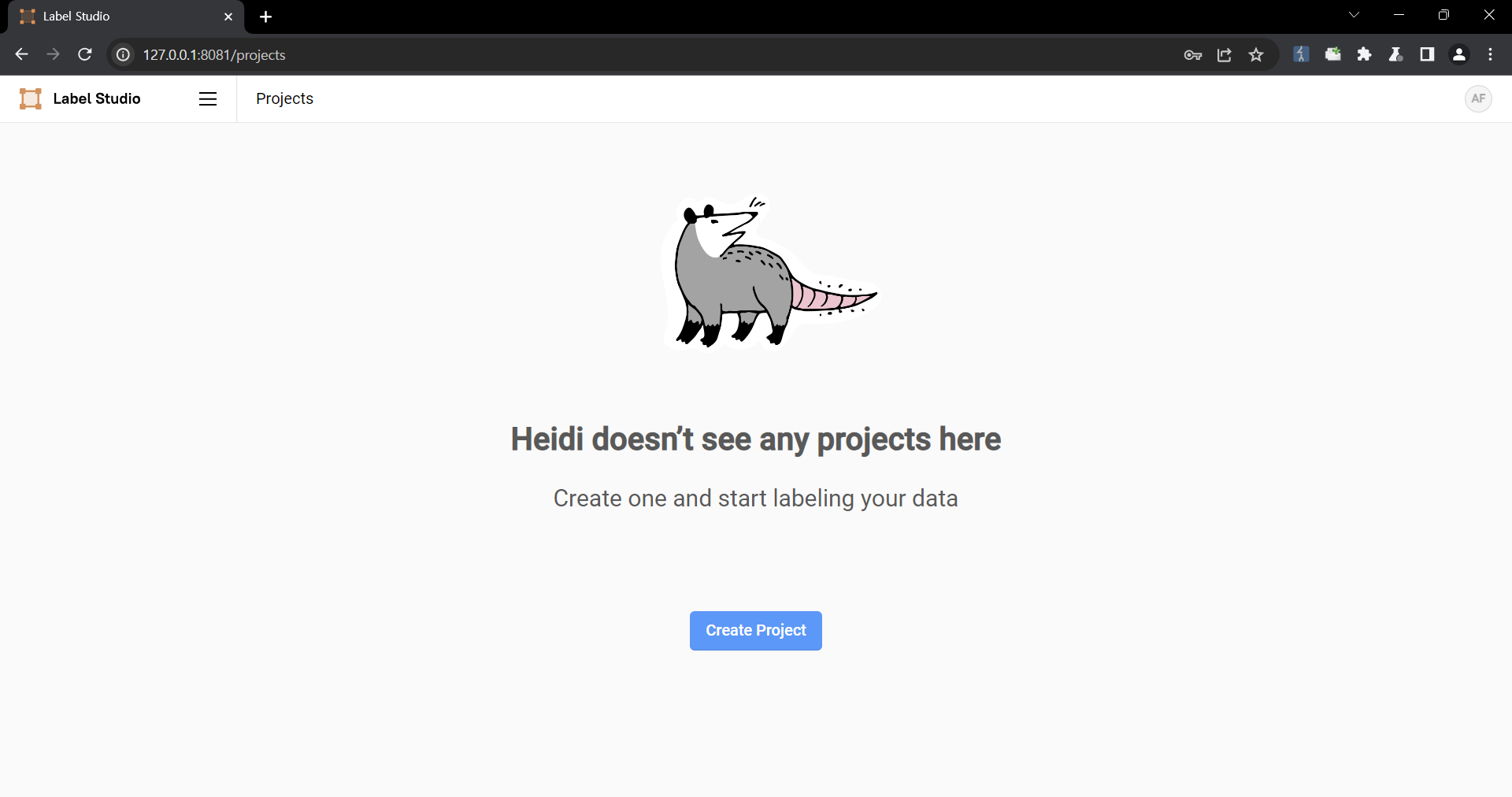 2. Upload a file containing the payload using the "Upload Files" function. 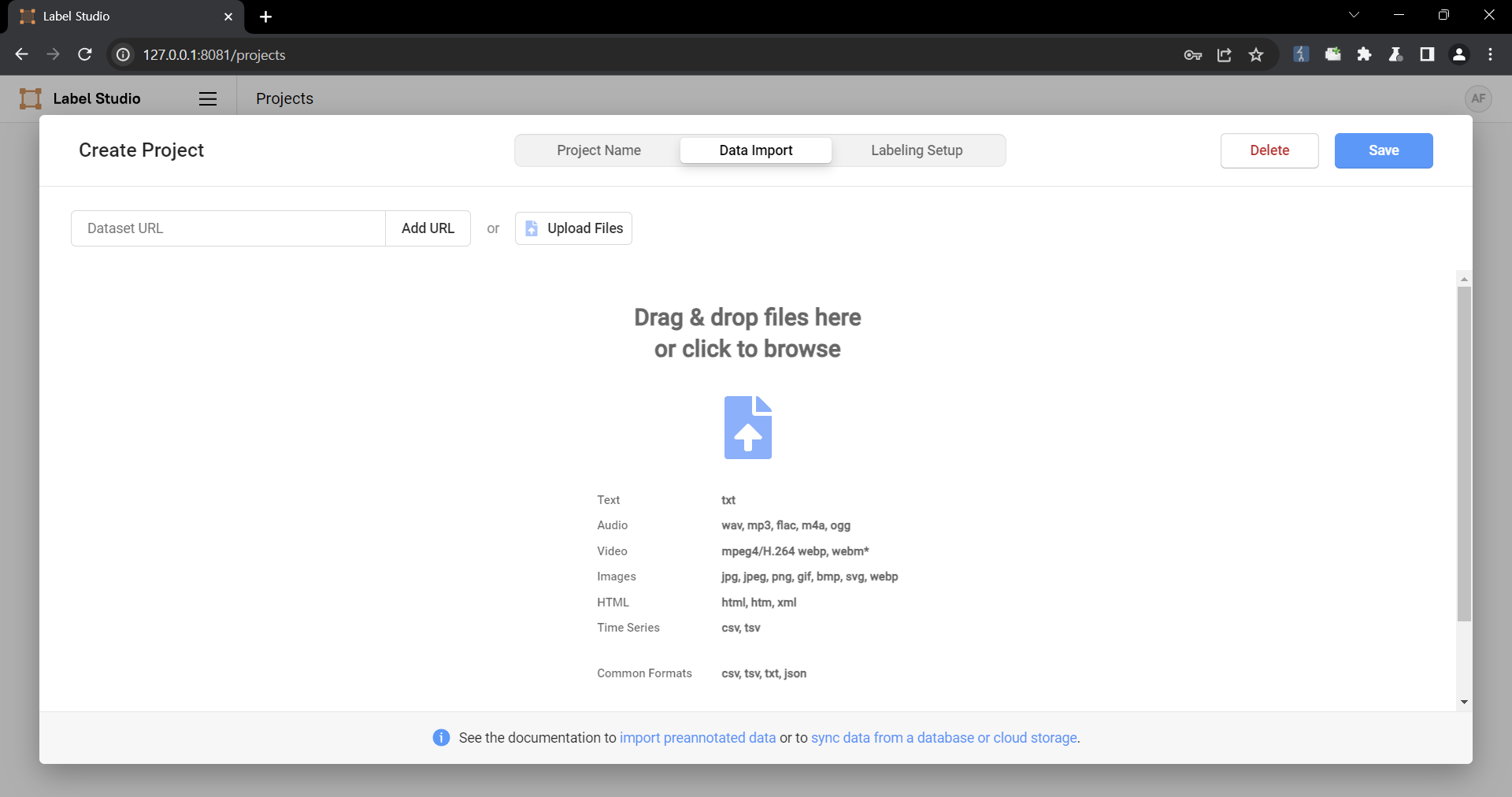 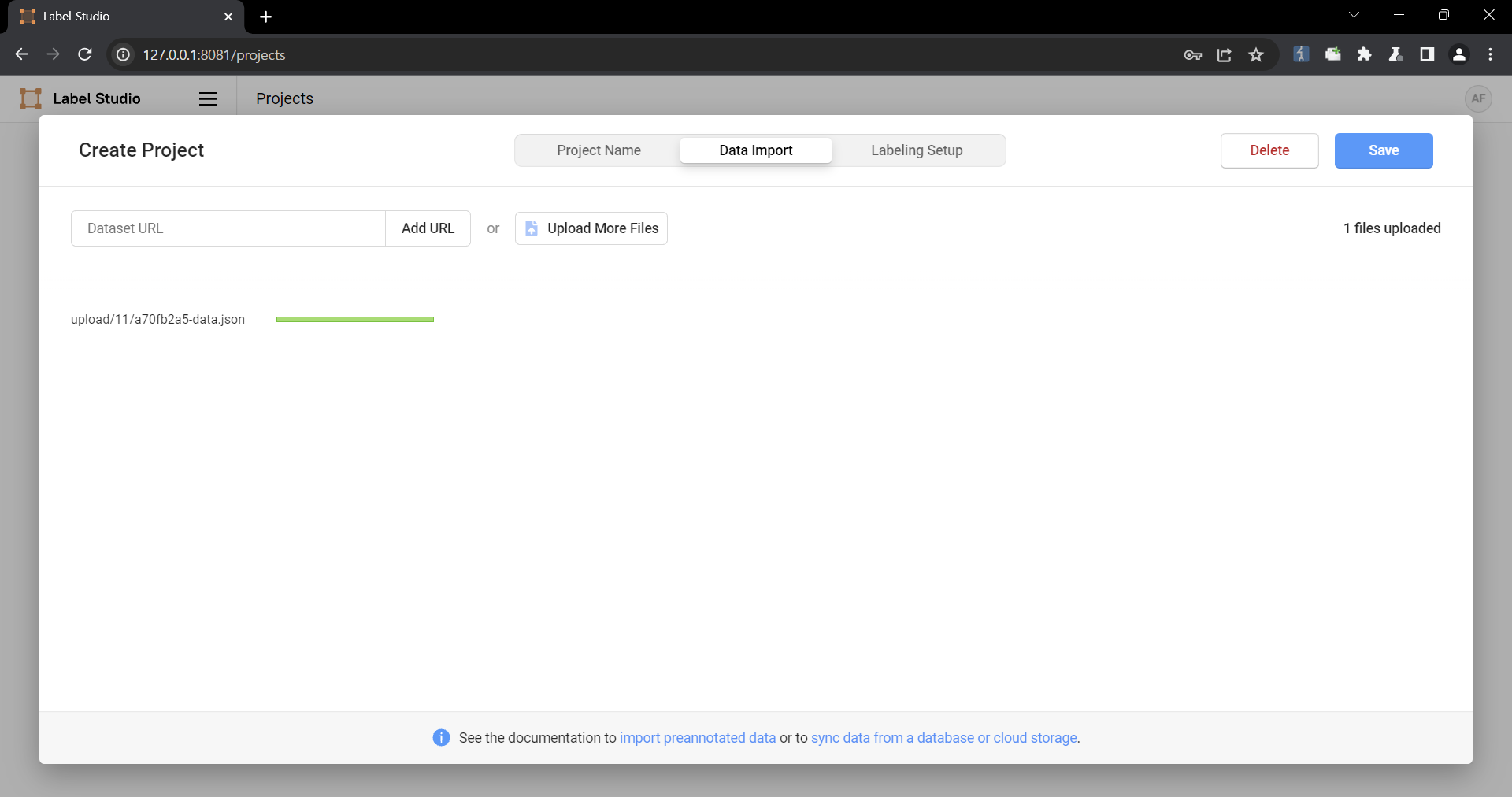 The following are the contents of the files used in the PoC ``` { "data": { "prompt": "labelstudio universe image", "images": [ { "value": "id123#0", "style": "margin: 5px", "html": "<img width='400' src='https://labelstud.io/_astro/images-tab.64279c16_ZaBSvC.avif' onload=alert(document.cookie)>" } ] } } ``` 3. Select the text-to-image generation labeling template of Ranking and scoring 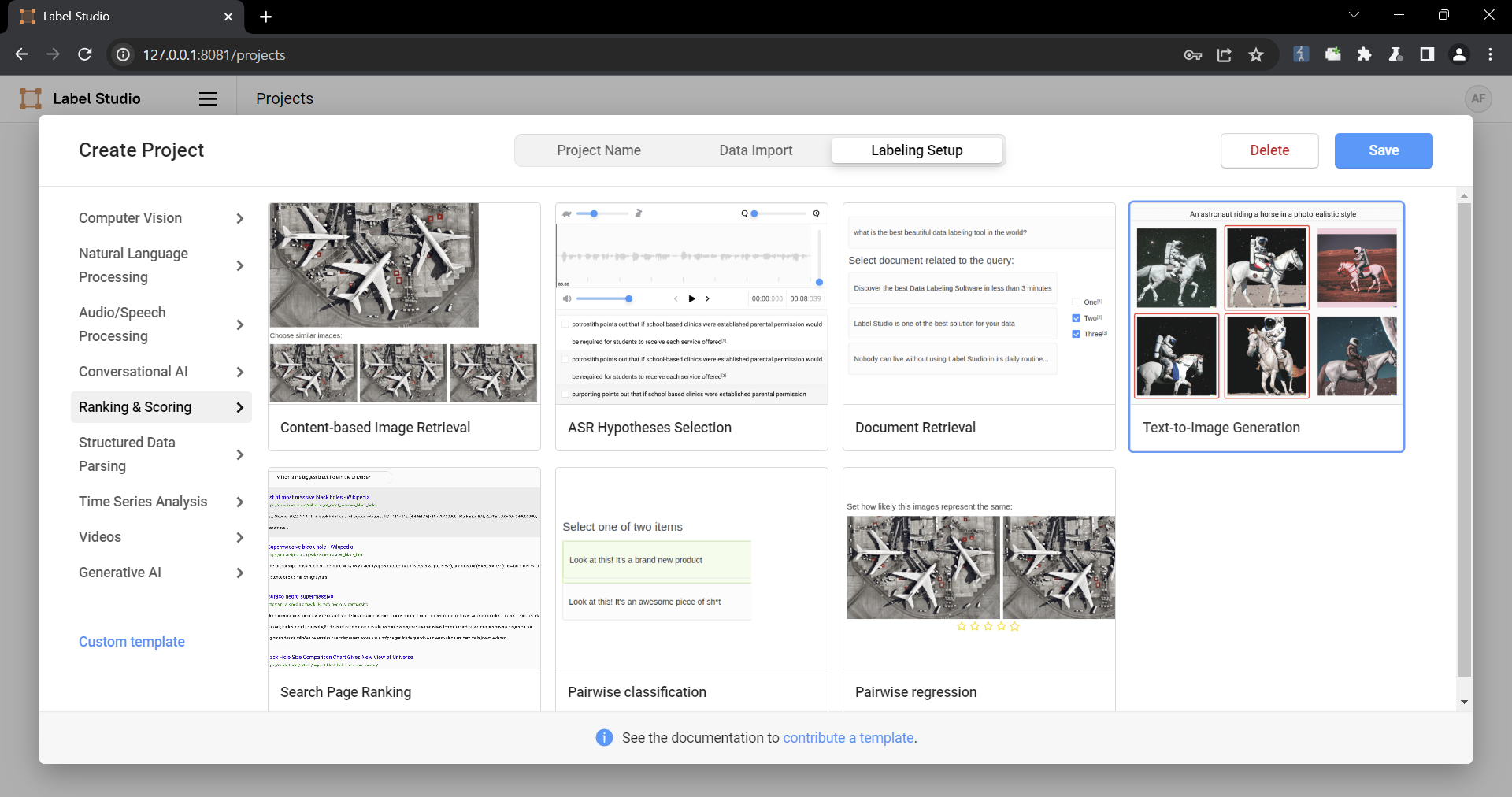 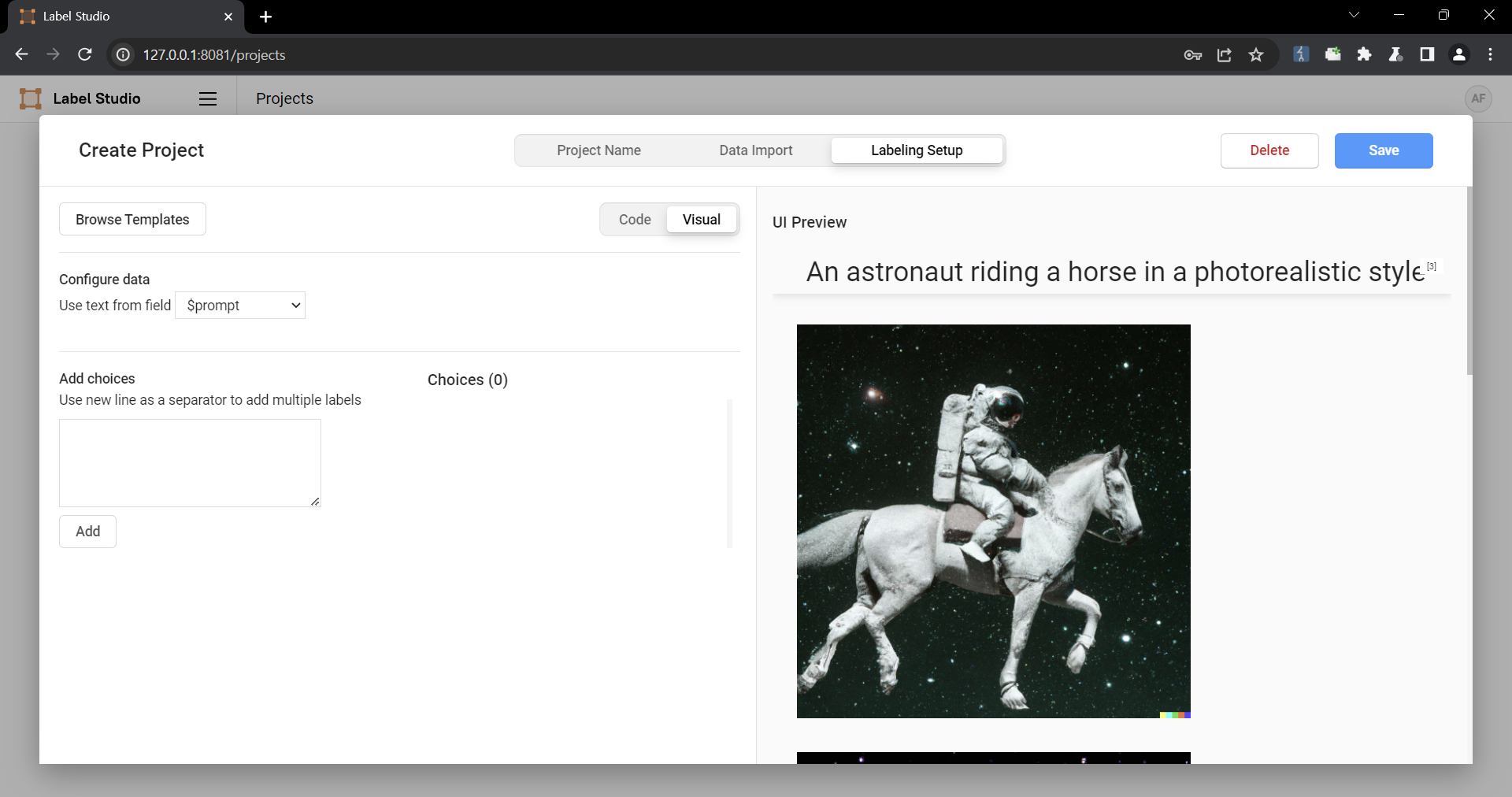 4. Select a task 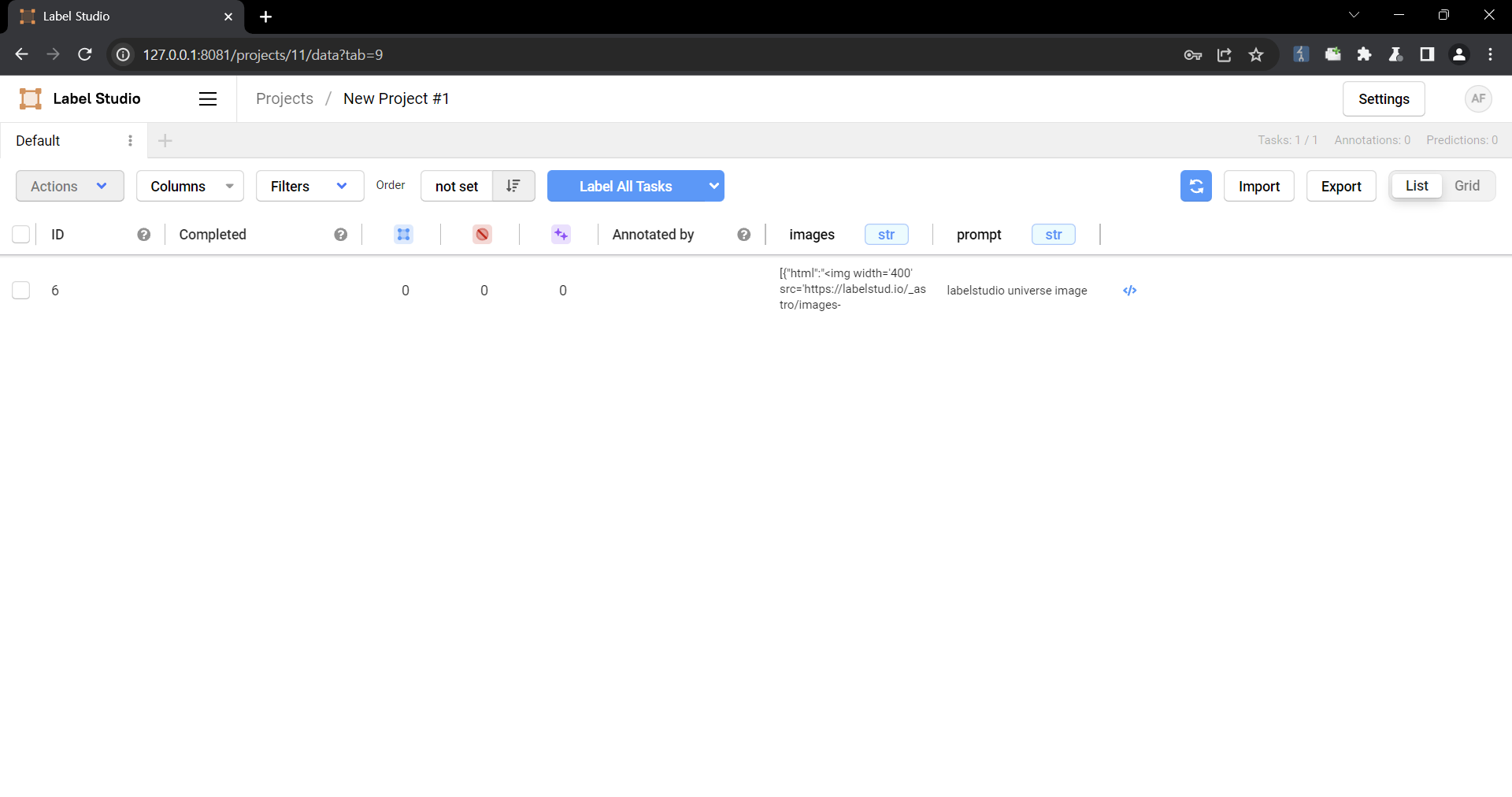 5. Check that the script is running 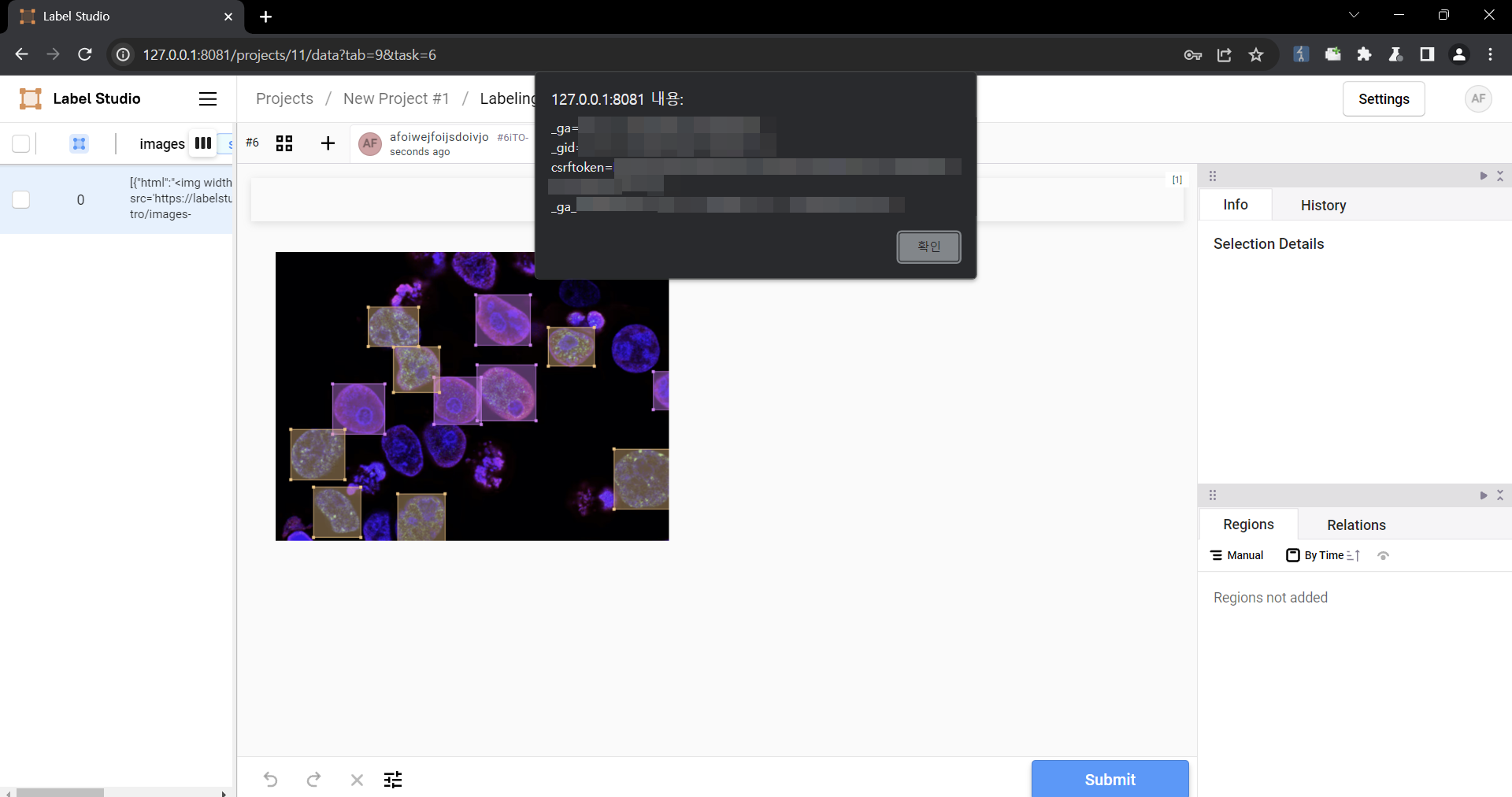 ### Impact Malicious scripts can be injected into the code, and when linked with vulnerabilities such as CSRF, it can cause even greater damage. In particular, It can become a source of further attacks, especially when linked to social engineering. | |||||
| CVE-2024-26151 | 1 Felixschwarz | 1 Mjml-python | 2026-06-17 | N/A | 8.2 HIGH |
| The `mjml` PyPI package, found at the `FelixSchwarz/mjml-python` GitHub repo, is an unofficial Python port of MJML, a markup language created by Mailjet. All users of `FelixSchwarz/mjml-python` who insert untrusted data into mjml templates unless that data is checked in a very strict manner. User input like `<script>` would be rendered as `<script>` in the final HTML output. The attacker must be able to control some data which is later injected in an mjml template which is then send out as email to other users. The attacker could control contents of email messages sent through the platform. The problem has been fixed in version 0.11.0 of this library. Versions before 0.10.0 are not affected by this security issue. As a workaround, ensure that potentially untrusted user input does not contain any sequences which could be rendered as HTML. | |||||
| CVE-2024-26150 | 1 Linuxfoundation | 1 Backstage Backend-common | 2026-06-17 | N/A | 8.7 HIGH |
| `@backstage/backend-common` is a common functionality library for backends for Backstage, an open platform for building developer portals. In `@backstage/backend-common` prior to versions 0.21.1, 0.20.2, and 0.19.10, paths checks with the `resolveSafeChildPath` utility were not exhaustive enough, leading to risk of path traversal vulnerabilities if symlinks can be injected by attackers. This issue is patched in `@backstage/backend-common` versions 0.21.1, 0.20.2, and 0.19.10. | |||||
| CVE-2024-26149 | 1 Vyperlang | 1 Vyper | 2026-06-17 | N/A | 3.7 LOW |
| Vyper is a pythonic Smart Contract Language for the ethereum virtual machine. If an excessively large value is specified as the starting index for an array in `_abi_decode`, it can cause the read position to overflow. This results in the decoding of values outside the intended array bounds, potentially leading to exploitations in contracts that use arrays within `_abi_decode`. This vulnerability affects 0.3.10 and earlier versions. | |||||
| CVE-2024-26148 | 1 Pinterest | 1 Querybook | 2026-06-17 | N/A | 6.1 MEDIUM |
| Querybook is a user interface for querying big data. Prior to version 3.31.1, there is a vulnerability in Querybook's rich text editor that enables users to input arbitrary URLs without undergoing necessary validation. This particular security flaw allows the use of `javascript:` protocol which can potentially trigger arbitrary client-side execution. The most extreme exploit of this flaw could occur when an admin user unknowingly clicks on a cross-site scripting URL, thereby unintentionally compromising admin role access to the attacker. A patch to rectify this issue has been introduced in Querybook version `3.31.1`. The fix is backward compatible and automatically fixes existing DataDocs. There are no known workarounds for this issue, except for manually checking each URL prior to clicking on them. | |||||