
Total
47481 CVE
| CVE | Vendors | Products | Updated | CVSS v2 | CVSS v3 |
|---|---|---|---|---|---|
| CVE-2024-26279 | 1 Joomla | 1 Joomla\! | 2026-06-17 | N/A | 6.1 MEDIUM |
| The wrapper extensions do not correctly validate inputs, leading to XSS vectors. | |||||
| CVE-2024-26278 | 1 Joomla | 1 Joomla\! | 2026-06-17 | N/A | 6.1 MEDIUM |
| The Custom Fields component not correctly filter inputs, leading to a XSS vector. | |||||
| CVE-2024-26269 | 1 Liferay | 2 Digital Experience Platform, Liferay Portal | 2026-06-17 | N/A | 9.6 CRITICAL |
| Cross-site scripting (XSS) vulnerability in the Frontend JS module's portlet.js in Liferay Portal 7.2.0 through 7.4.3.37, and Liferay DXP 7.4 before update 38, 7.3 before update 11, 7.2 before fix pack 20, and older unsupported versions allows remote attackers to inject arbitrary web script or HTML via the anchor (hash) part of a URL. | |||||
| CVE-2024-26266 | 1 Liferay | 2 Digital Experience Platform, Liferay Portal | 2026-06-17 | N/A | 9.0 CRITICAL |
| Multiple stored cross-site scripting (XSS) vulnerabilities in Liferay Portal 7.2.0 through 7.4.3.13, and older unsupported versions, and Liferay DXP 7.4 before update 10, 7.3 before update 4, 7.2 before fix pack 17, and older unsupported versions allow remote authenticated users to inject arbitrary web script or HTML via a crafted payload injected into the first/middle/last name text field of the user who creates an entry in the (1) Announcement widget, or (2) Alerts widget. | |||||
| CVE-2024-26251 | 1 Microsoft | 1 Sharepoint Server | 2026-06-17 | N/A | 6.8 MEDIUM |
| Microsoft SharePoint Server Spoofing Vulnerability | |||||
| CVE-2024-26157 | 1 Etictelecom | 1 Remote Access Server Firmware | 2026-06-17 | N/A | 6.1 MEDIUM |
| All versions of ETIC Telecom Remote Access Server (RAS) prior to 4.5.0 are vulnerable to reflected cross site scripting (XSS) attacks in get view method under view parameter. The ETIC RAS web server uses dynamic pages that get their input from the client side and reflect the input in their response to the client. | |||||
| CVE-2024-26156 | 1 Etictelecom | 1 Remote Access Server Firmware | 2026-06-17 | N/A | 4.8 MEDIUM |
| All versions of ETIC Telecom Remote Access Server (RAS) prior to 4.5.0 are vulnerable to reflected cross site scripting (XSS) attacks in the method parameter. The ETIC RAS web server uses dynamic pages that gets their input from the client side and reflects the input in its response to the client. | |||||
| CVE-2024-26154 | 1 Etictelecom | 1 Remote Access Server Firmware | 2026-06-17 | N/A | 4.8 MEDIUM |
| All versions of ETIC Telecom Remote Access Server (RAS) prior to 4.5.0 are vulnerable to reflected cross site scripting in the appliance site name. The ETIC RAS web server saves the site name and then presents it to the administrators in a few different pages. | |||||
| CVE-2024-26152 | 1 Humansignal | 1 Label Studio | 2026-06-17 | N/A | 4.7 MEDIUM |
| ### Summary On all Label Studio versions prior to 1.11.0, data imported via file upload feature is not properly sanitized prior to being rendered within a [`Choices`](https://labelstud.io/tags/choices) or [`Labels`](https://labelstud.io/tags/labels) tag, resulting in an XSS vulnerability. ### Details Need permission to use the "data import" function. This was reproduced on Label Studio 1.10.1. ### PoC 1. Create a project. 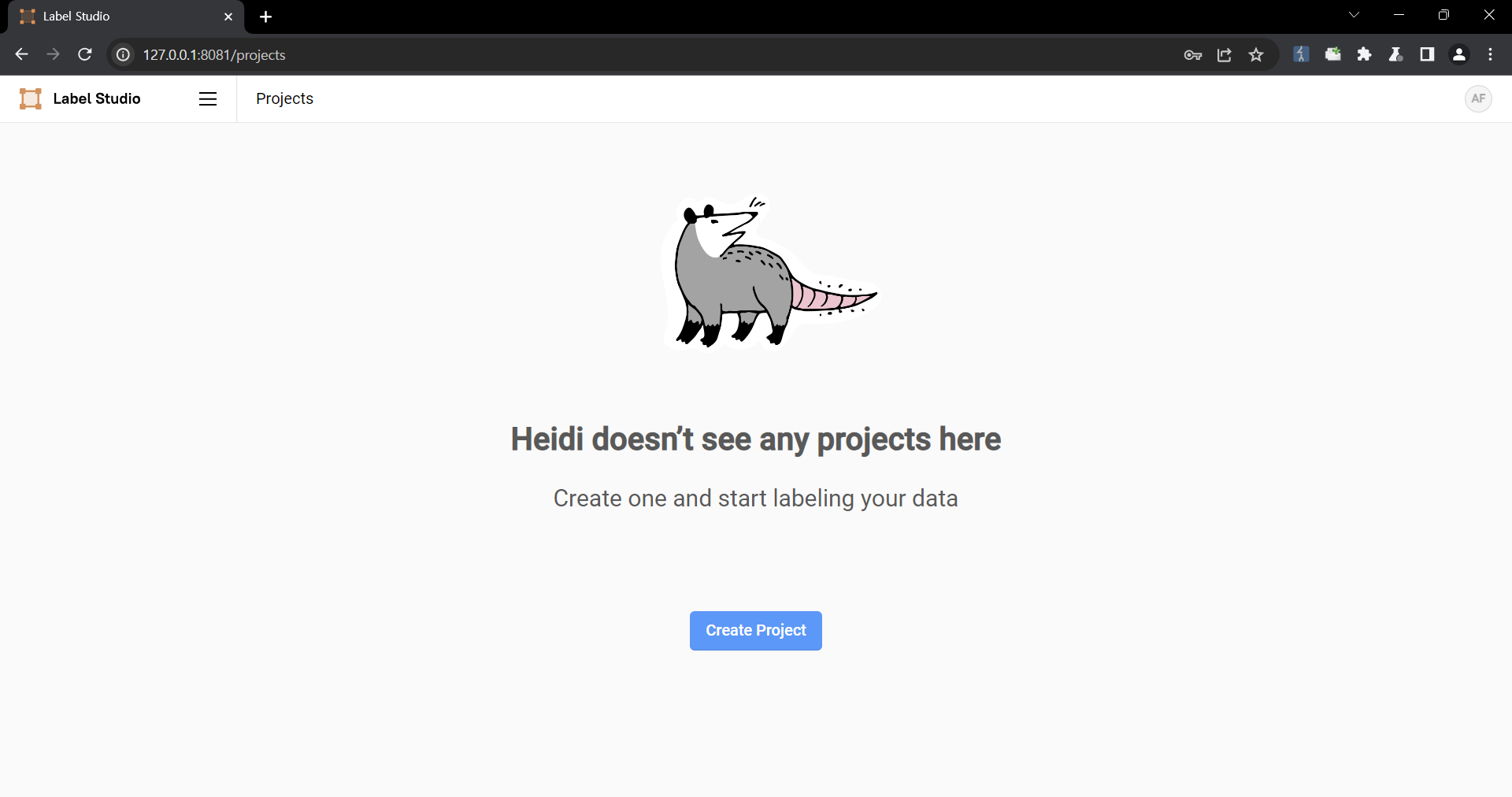 2. Upload a file containing the payload using the "Upload Files" function. 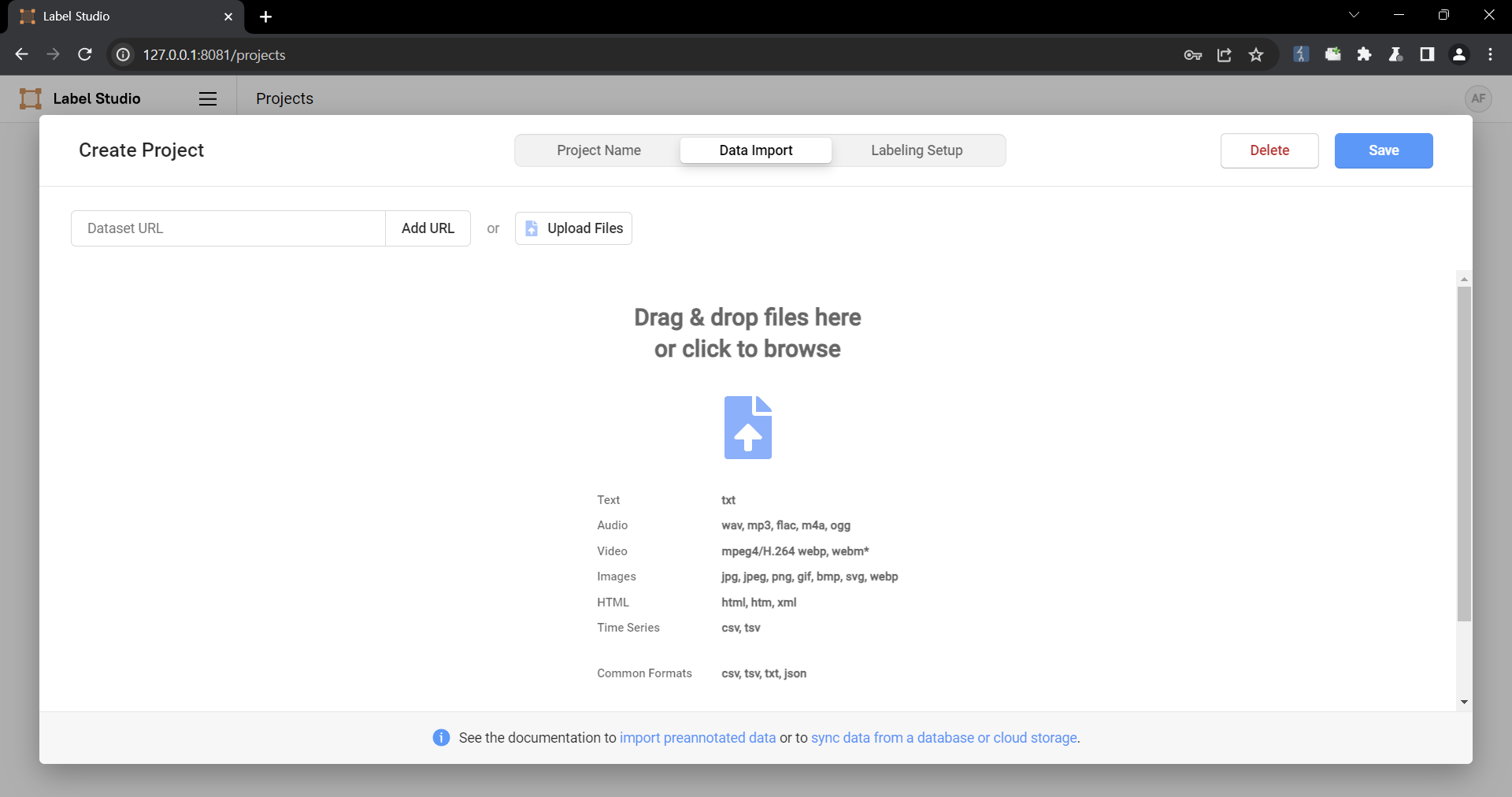 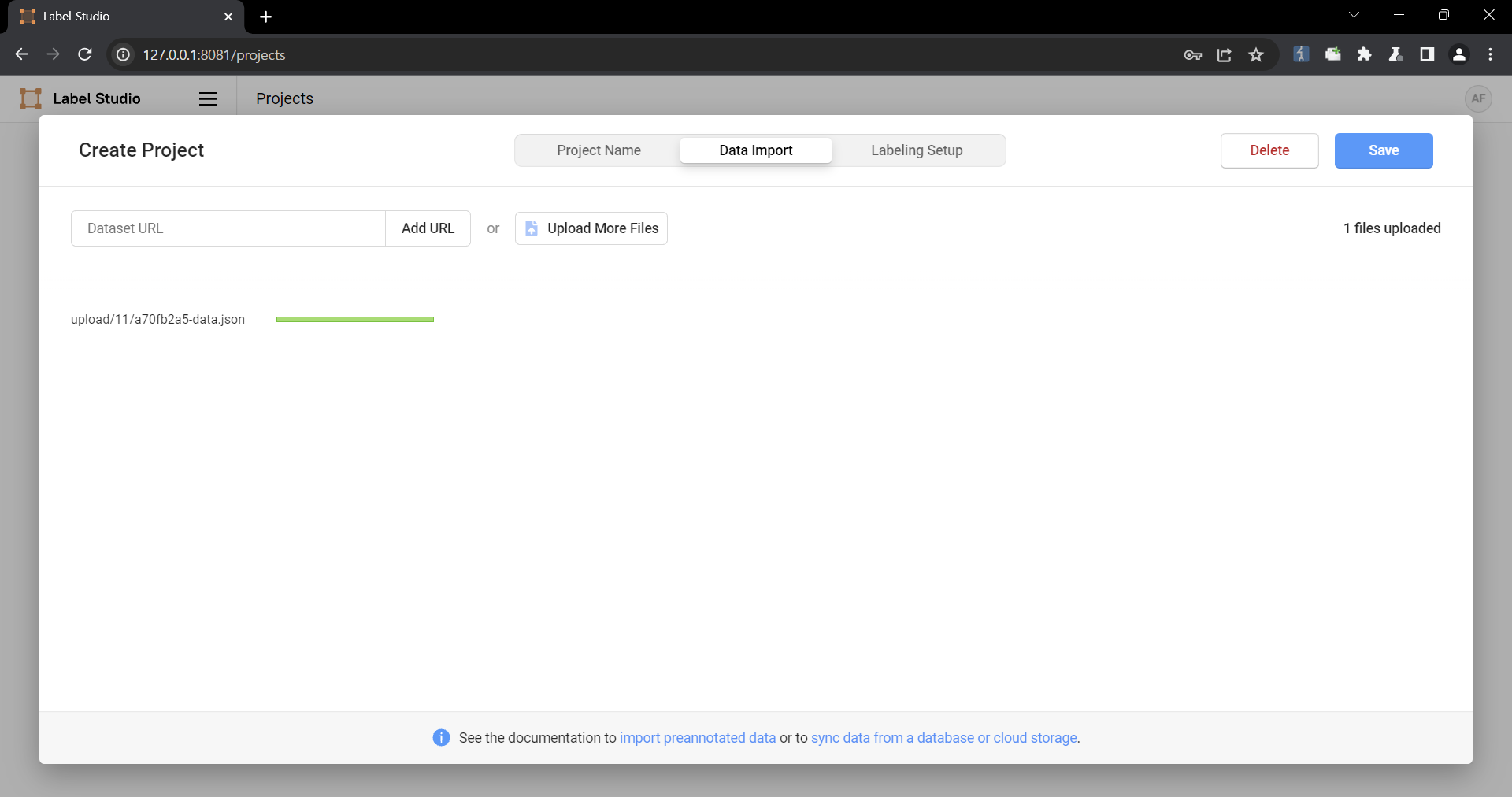 The following are the contents of the files used in the PoC ``` { "data": { "prompt": "labelstudio universe image", "images": [ { "value": "id123#0", "style": "margin: 5px", "html": "<img width='400' src='https://labelstud.io/_astro/images-tab.64279c16_ZaBSvC.avif' onload=alert(document.cookie)>" } ] } } ``` 3. Select the text-to-image generation labeling template of Ranking and scoring 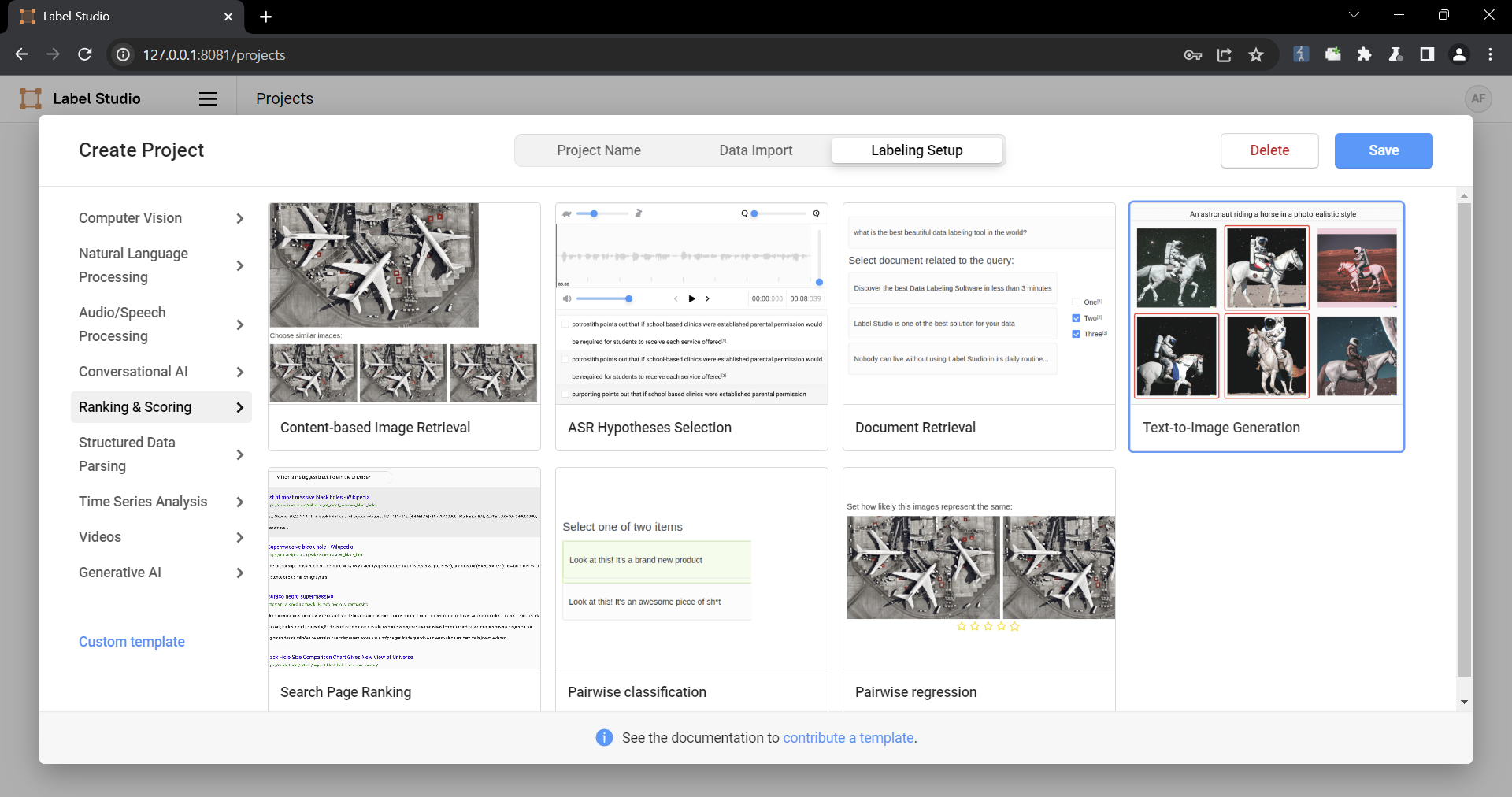 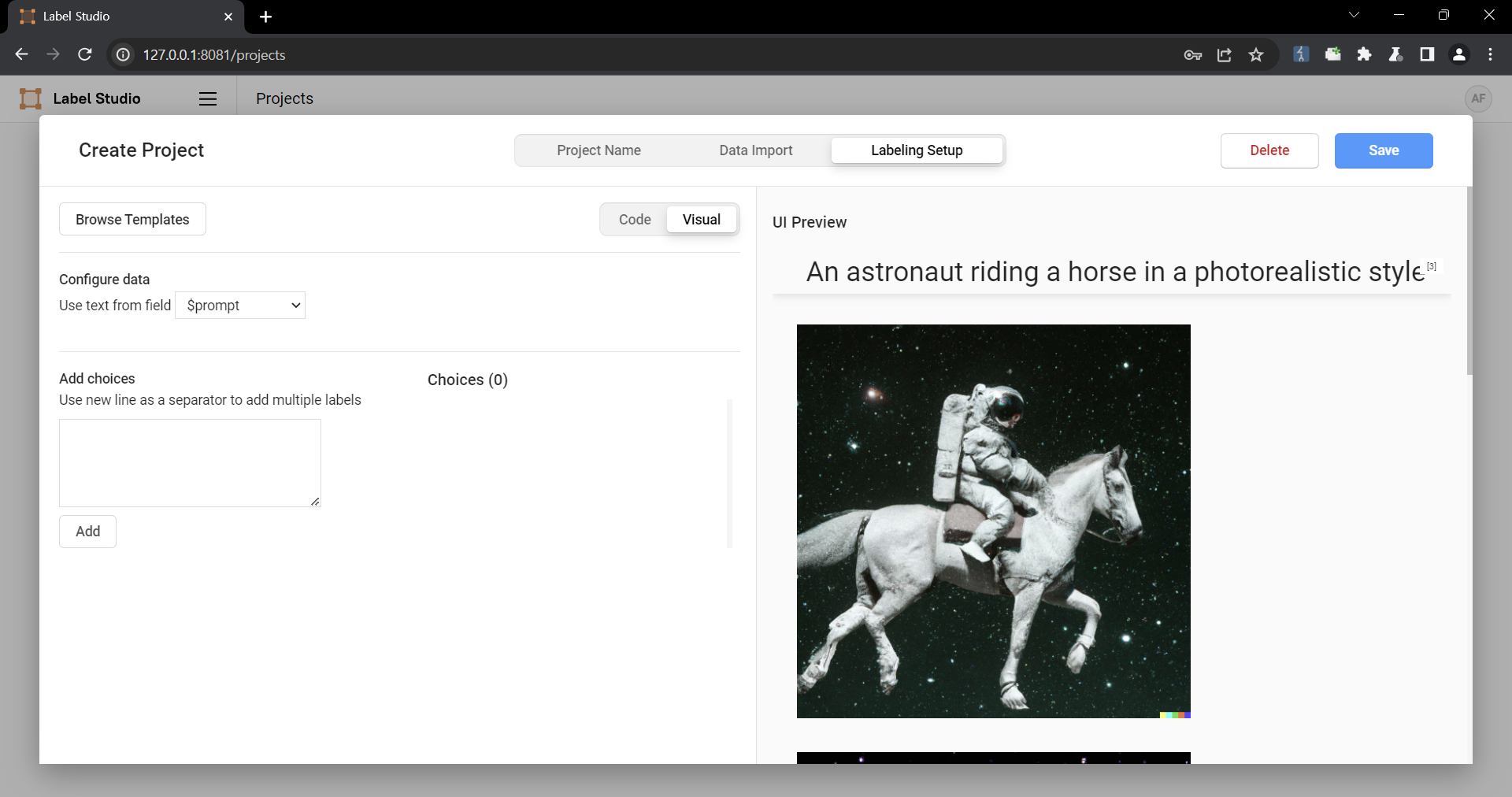 4. Select a task 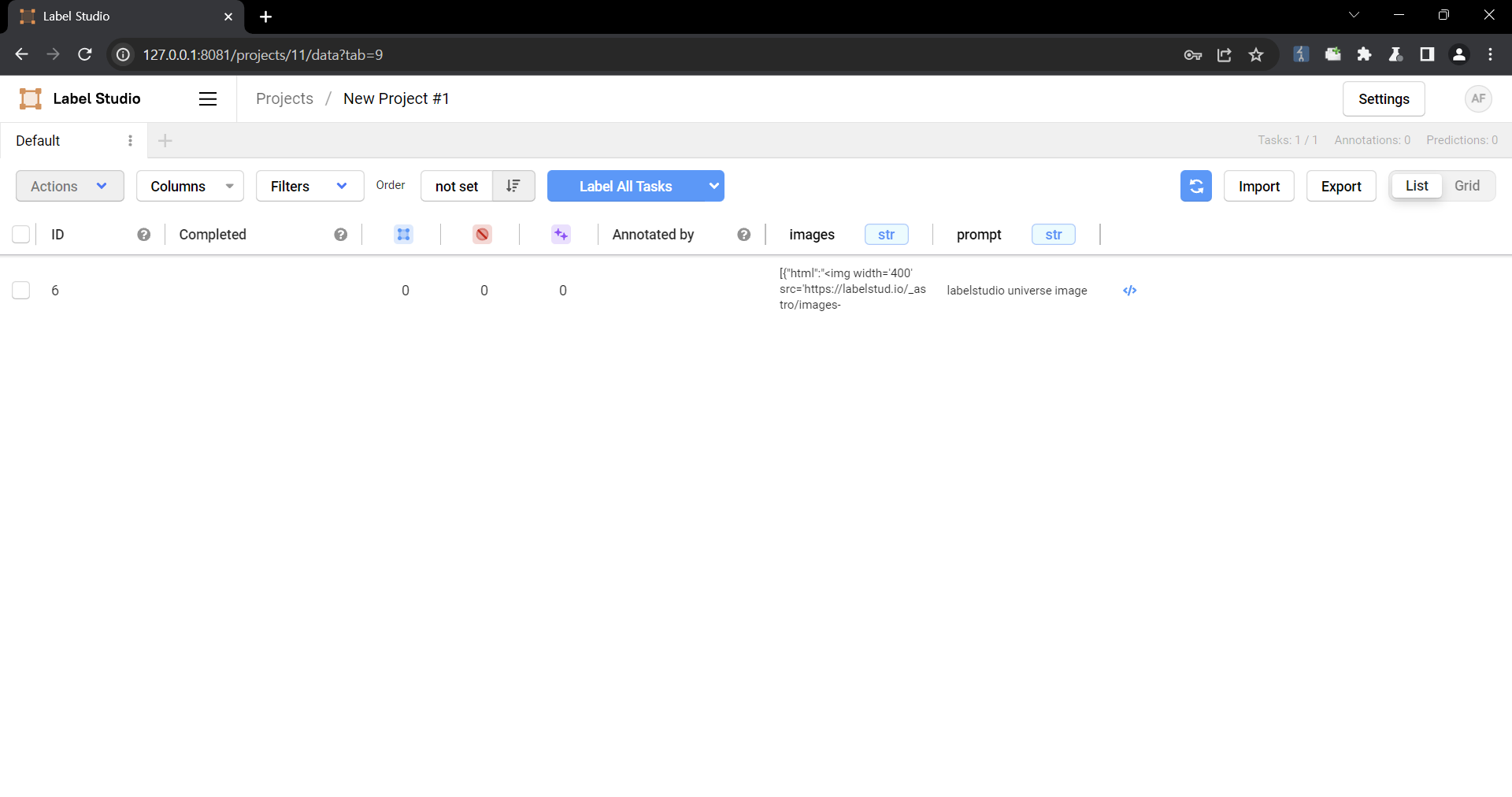 5. Check that the script is running 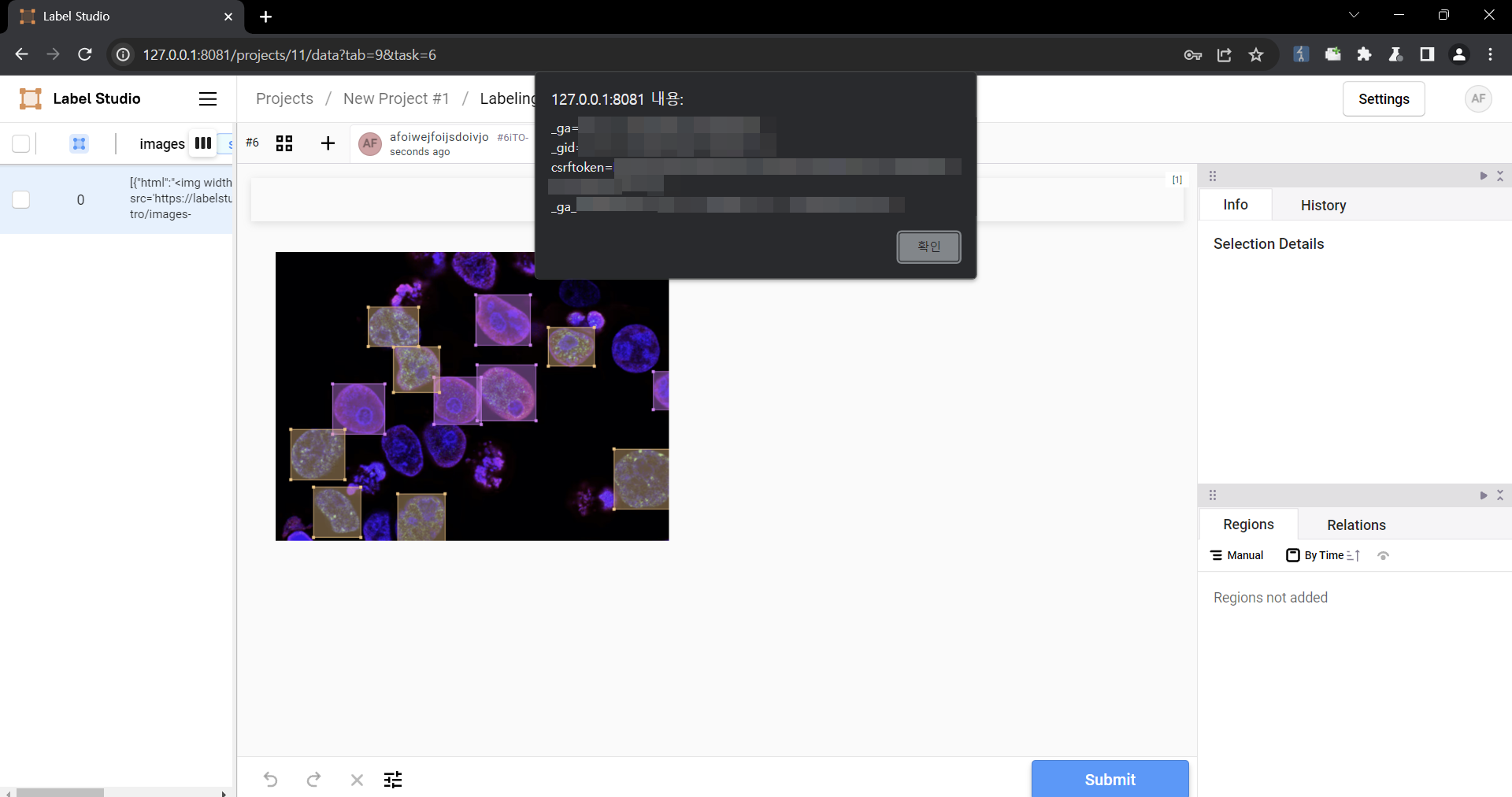 ### Impact Malicious scripts can be injected into the code, and when linked with vulnerabilities such as CSRF, it can cause even greater damage. In particular, It can become a source of further attacks, especially when linked to social engineering. | |||||
| CVE-2024-26151 | 1 Felixschwarz | 1 Mjml-python | 2026-06-17 | N/A | 8.2 HIGH |
| The `mjml` PyPI package, found at the `FelixSchwarz/mjml-python` GitHub repo, is an unofficial Python port of MJML, a markup language created by Mailjet. All users of `FelixSchwarz/mjml-python` who insert untrusted data into mjml templates unless that data is checked in a very strict manner. User input like `<script>` would be rendered as `<script>` in the final HTML output. The attacker must be able to control some data which is later injected in an mjml template which is then send out as email to other users. The attacker could control contents of email messages sent through the platform. The problem has been fixed in version 0.11.0 of this library. Versions before 0.10.0 are not affected by this security issue. As a workaround, ensure that potentially untrusted user input does not contain any sequences which could be rendered as HTML. | |||||
| CVE-2024-26148 | 1 Pinterest | 1 Querybook | 2026-06-17 | N/A | 6.1 MEDIUM |
| Querybook is a user interface for querying big data. Prior to version 3.31.1, there is a vulnerability in Querybook's rich text editor that enables users to input arbitrary URLs without undergoing necessary validation. This particular security flaw allows the use of `javascript:` protocol which can potentially trigger arbitrary client-side execution. The most extreme exploit of this flaw could occur when an admin user unknowingly clicks on a cross-site scripting URL, thereby unintentionally compromising admin role access to the attacker. A patch to rectify this issue has been introduced in Querybook version `3.31.1`. The fix is backward compatible and automatically fixes existing DataDocs. There are no known workarounds for this issue, except for manually checking each URL prior to clicking on them. | |||||
| CVE-2024-26143 | 1 Rubyonrails | 1 Rails | 2026-06-17 | N/A | 6.1 MEDIUM |
| Rails is a web-application framework. There is a possible XSS vulnerability when using the translation helpers in Action Controller. Applications using translation methods like translate, or t on a controller, with a key ending in "_html", a :default key which contains untrusted user input, and the resulting string is used in a view, may be susceptible to an XSS vulnerability. The vulnerability is fixed in 7.1.3.1 and 7.0.8.1. | |||||
| CVE-2024-26140 | 1 Yetanalytics | 2 Lrs, Sql Lrs | 2026-06-17 | N/A | 4.6 MEDIUM |
| com.yetanalytics/lrs is the Yet Analytics Core LRS Library. Prior to version 1.2.17 of the LRS library and version 0.7.5 of SQL LRS, a maliciously crafted xAPI statement could be used to perform script or other tag injection in the LRS Statement Browser. The problem is patched in version 1.2.17 of the LRS library and version 0.7.5 of SQL LRS. No known workarounds exist. | |||||
| CVE-2024-26128 | 1 Basercms | 1 Basercms | 2026-06-17 | N/A | 5.4 MEDIUM |
| baserCMS is a website development framework. Prior to version 5.0.9, there is a cross-site scripting vulnerability in the content management feature. Version 5.0.9 contains a fix for this vulnerability. | |||||
| CVE-2024-26125 | 1 Adobe | 1 Experience Manager | 2026-06-17 | N/A | 5.4 MEDIUM |
| Adobe Experience Manager versions 6.5.19 and earlier are affected by a stored Cross-Site Scripting (XSS) vulnerability that could be abused by an attacker to inject malicious scripts into vulnerable form fields. Malicious JavaScript may be executed in a victim’s browser when they browse to the page containing the vulnerable field. | |||||
| CVE-2024-26124 | 1 Adobe | 1 Experience Manager | 2026-06-17 | N/A | 5.4 MEDIUM |
| Adobe Experience Manager versions 6.5.19 and earlier are affected by a stored Cross-Site Scripting (XSS) vulnerability that could be abused by an attacker to inject malicious scripts into vulnerable form fields. Malicious JavaScript may be executed in a victim’s browser when they browse to the page containing the vulnerable field. | |||||
| CVE-2024-26123 | 1 Adobe | 1 Experience Manager | 2026-06-17 | N/A | 5.4 MEDIUM |
| Adobe Experience Manager versions 6.5.20 and earlier are affected by a stored Cross-Site Scripting (XSS) vulnerability that could be abused by an attacker to inject malicious scripts into vulnerable form fields. Malicious JavaScript may be executed in a victim’s browser when they browse to the page containing the vulnerable field. | |||||
| CVE-2024-26122 | 1 Adobe | 1 Experience Manager | 2026-06-17 | N/A | 5.4 MEDIUM |
| Adobe Experience Manager versions 6.5.19 and earlier are affected by a stored Cross-Site Scripting (XSS) vulnerability that could be abused by an attacker to inject malicious scripts into vulnerable form fields. Malicious JavaScript may be executed in a victim’s browser when they browse to the page containing the vulnerable field. | |||||
| CVE-2024-26121 | 1 Adobe | 1 Experience Manager | 2026-06-17 | N/A | 5.4 MEDIUM |
| Adobe Experience Manager versions 6.5.20 and earlier are affected by a stored Cross-Site Scripting (XSS) vulnerability that could be abused by an attacker to inject malicious scripts into vulnerable form fields. Malicious JavaScript may be executed in a victim’s browser when they browse to the page containing the vulnerable field. | |||||
| CVE-2024-26120 | 1 Adobe | 1 Experience Manager | 2026-06-17 | N/A | 5.4 MEDIUM |
| Adobe Experience Manager versions 6.5.19 and earlier are affected by a stored Cross-Site Scripting (XSS) vulnerability that could be abused by an attacker to inject malicious scripts into vulnerable form fields. Malicious JavaScript may be executed in a victim’s browser when they browse to the page containing the vulnerable field. | |||||